How freedom medical alarms support independence for seniors in New Zealand
Why independence matters more as we age
When my mother turned 78, she told me plainly that she did not want to move out of her house. The idea of assisted living felt like a loss of control, even if she understood the safety reasons behind it. That conversation stuck with me because it revealed something deeper: independence is not about doing everything alone. It is about having the confidence to live on your own terms, knowing help is close if you need it. For many older New Zealanders, that confidence depends on having a reliable way to call for help without feeling like a burden.
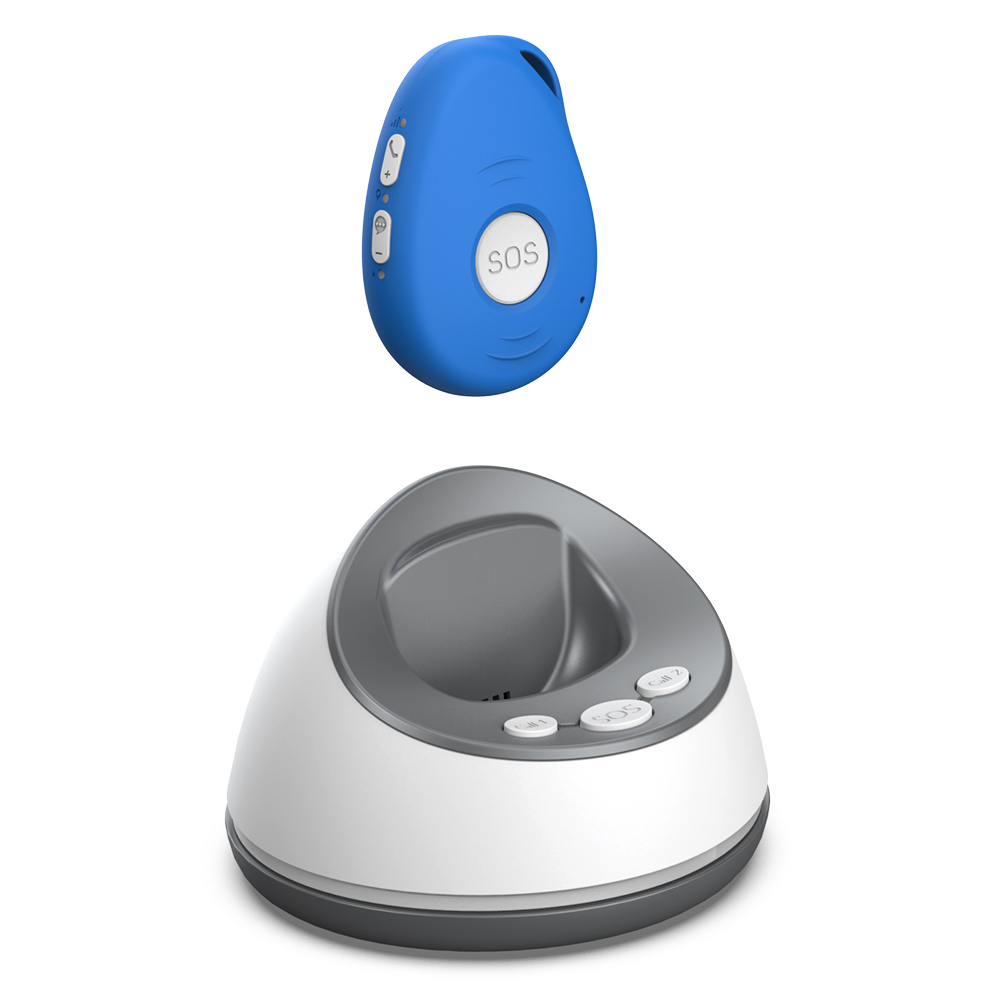
That is where the idea of freedom medical alarms comes into the picture. These devices are not just gadgets you wear around your neck. They represent a shift in how we think about aging at home. Instead of assuming that getting older means giving up your house or your routines, you can keep both while having a safety net that works quietly in the background. The technology has matured a lot in the past decade, and the options available now go far beyond the basic pendant that only works inside your living room.
What makes a medical alarm truly freeing
At its simplest, a medical alarm is a button you press to call for help. But the modern version of that idea includes layers that make it far more useful in real life. For someone living alone, the fear is not just falling. It is falling and not being able to reach the phone, or being unconscious while no one knows something is wrong. A good alarm system removes that fear by working automatically when you cannot press the button yourself.
Fall detection has become the feature that changes the equation. Instead of relying on the person to remember to wear the device and press it, the device itself can sense a fall and alert a family member or a monitoring centre. That shift from reactive to proactive support is what gives people real freedom. You do not have to think about safety all the time because the device is doing some of that thinking for you.
Another key factor is GPS location tracking. If you are out walking the dog or visiting a friend across town, and something happens, the alarm knows where you are. That matters a lot in New Zealand, where many suburbs have quiet streets and houses set back from the road. A fall in the garden or on a walking track can be just as serious as one inside the home. With GPS, the responder does not need to search blindly. They can come straight to your location, which saves time in an emergency.
How family monitoring changes the dynamic
One of the more thoughtful developments in this space is the option for family-monitored two-way calling. Instead of routing every alert through a call centre, the system can connect directly to a chosen family member. That person can speak to you through the device, hear what is happening, and decide whether to call an ambulance or come over themselves. It reduces false alarms for emergency services and keeps the family loop tight.
For the senior wearing the device, knowing that a familiar voice will answer can be a comfort. It is one thing to talk to a stranger in a moment of panic. It is another to hear your daughter or son ask if you are okay. That small human connection can make the difference between feeling helpless and feeling supported. And for the family member, it offers peace of mind that they do not have to wait for a phone call from a stranger to know their parent needs help.
Choosing the right device for your lifestyle
Not every medical alarm suits every person. The choice depends on where you live, how active you are, and what kind of support network you have. Here are a few practical considerations that come up often when people start looking at freedom medical alarms:
- Battery life and charging habits matter more than you think. A device that needs daily charging will get left on the bedside table. Look for something that lasts at least a few days or uses a simple charging dock.
- Water resistance is non-negotiable if you want to wear it in the shower. Many falls happen on wet surfaces, so the device should work when it gets wet.
- Range is important if you spend time in the garden or garage. Some pendants only work within a certain distance from the base unit. Check the specs before you buy.
- Two-way audio lets the responder talk to you through the device, which can reduce confusion and help the responder assess the situation without rushing.
- Fall detection should be adjustable or at least tested in real conditions. Some algorithms are too sensitive and trigger false alarms, while others miss real falls. A trial period helps you find the right fit.
These factors may seem small, but they add up to a system that either works seamlessly or becomes a nuisance. A nuisance device gets abandoned, and an abandoned device provides no safety at all.
Connect with us on YouTube.
Real-world scenarios where a medical alarm helps
Think about the morning routine. You wake up, make tea, feed the cat, step outside to get the paper. On a normal day, nothing happens. But what if you slip on the wet deck and cannot get up? Your phone is inside, the neighbours are at work, and it could be hours before someone comes by. With a pendant that includes fall detection and GPS, the device sends an alert to your family. They know where you are and can come or send help.

Consider another scenario. You live in a two-storey house and you are careful on the stairs, but one day you misjudge the last step. You are conscious but your ankle hurts and you cannot put weight on it. You press the SOS button on your pendant. Within seconds, your daughter receives a call through the system. She talks to you, confirms you are safe but need a ride to the clinic, and she is on her way. No ambulance needed, no stress, just a coordinated response.
These are not edge cases. They are the kinds of situations that happen to active, independent seniors every day. The value of freedom medical alarms is not in the technology itself. It is in the way that technology lets you keep living your life without someone checking on you every hour.
What to look for in a service provider
The device is only half the equation. The service behind it matters just as much. A good provider offers reliable monitoring, responsive customer support, and a simple setup process. Some questions worth asking before you commit:
- How does the alert reach the responder? Is it a call centre, a family member, or both?
- What happens if the device cannot connect to the mobile network? Is there a backup?
- Can the device be tested regularly to make sure it still works?
- Is the monitoring centre staffed 24/7, and do they have experience with older adults?
- What is the return policy if the device does not suit the person using it?
These questions help separate a well-run service from one that might leave you waiting when you need help most. It is worth taking the time to read the fine print and talk to the provider directly.
Bringing it all together
Independence in later life is not about refusing help. It is about having the right kind of help available on your own terms. A well-designed medical alarm gives you that control. You decide when to call, who to call, and how much support you need. The device sits quietly in the background until you need it, and when you do, it works without making you feel like a patient.

For families, the benefit is just as real. Instead of worrying constantly, you can trust that your parent or grandparent has a safety net that works. That peace of mind lets you focus on enjoying your time together instead of managing risk.
Familyr provides personal medical alarms for seniors in New Zealand with SOS, GPS, fall detection, and family-monitored two-way calling, and is based at 14 Grand View Road, Remuera, Auckland 1050, New Zealand, reachable at +64 9 872 0345. Their approach reflects the kind of thoughtful design that puts the user first, not the technology.